Author: admin

  • How to Build Strong Academic Confidence

    How to Build Strong Academic Confidence

    Academic confidence is one of the most important factors in student success. It affects how learners approach Hubet challenges, prepare for exams, participate in class, and respond to setbacks. A student with strong academic confidence believes they can improve, solve problems, and achieve goals through effort and effective strategies. The good news is that confidence in school is not something students either have or do not have—it can be built over time.

    This article explains practical ways to build strong academic confidence and develop a healthier, more motivated approach to learning.

    What Is Academic Confidence?

    Academic confidence is the belief that you can succeed in educational tasks , such as studying, writing essays, completing assignments, taking tests, and learning new concepts. It does not mean you always get perfect grades or never feel nervous. Instead, it means you trust your ability to learn, improve, and handle academic responsibilities.

    Students with high academic confidence are more likely to ask questions, try difficult tasks, recover from mistakes, and stay motivated. This mindset helps create long-term academic growth.

    Why Academic Confidence Matters

    Strong academic confidence can improve both performance and emotional well-being. When students believe they are capable, they are more willing to put in effort. They also tend to manage stress better because they see challenges as opportunities to grow rather than signs of failure.

    Academic confidence can help students:

    – Participate more actively in class

    – Stay motivated during difficult subjects

    – Prepare more effectively for exams

    – Handle feedback positively

    – Develop better study habits

    – Reduce fear of failure

    Confidence does not replace hard work, but it makes hard work feel more possible and worthwhile.

    Set Realistic Academic Goals

    One of the best ways to build academic confidence is to set clear, realistic goals. Large goals, such as “get straight A’s,” can feel overwhelming if they are not broken into smaller steps. Instead, focus on specific and achievable targets.

    For example, a student might set goals such as:

    – Study math for 30 minutes every day

    – Improve one essay paragraph each week

    – Complete homework before dinner

    – Review class notes every Friday

    – Raise a test score by five points

    Small wins create momentum. Each time you meet a goal, you prove to yourself that improvement is possible. Over time, these small successes strengthen your belief in your academic ability.

    Develop Effective Study Habits

    Confidence grows when students feel prepared. Strong study habits make learning more manageable and reduce last-minute stress. Instead of waiting until the night before a test, create a consistent study routine.

    Effective study habits include:

    – Reviewing notes regularly

    – Using active recall instead of only rereading

    – Taking short breaks during study sessions

    – Creating flashcards or summaries

    – Practicing past questions

    – Studying in a quiet, organized space

    Preparation builds confidence because it gives students evidence that they have done the work. When you walk into a classroom or exam knowing you have studied well, you naturally feel more capable.

    Focus on Progress, Not Perfection

    Many students lose confidence because they expect themselves to be perfect. However, academic growth is not about never making mistakes. It is about learning from them.

    A perfectionist mindset can lead to fear, procrastination, and disappointment. Instead of thinking, “I failed because I made a mistake,” try thinking, “This mistake shows me what I need to practice.”

    Progress-focused students understand that improvement happens step by step. Celebrate small improvements, such as understanding a difficult concept, finishing an assignment on time, or feeling less nervous during a presentation. These moments matter.

    Learn From Mistakes and Feedback

    Feedback is a powerful tool for building academic confidence. Unfortunately, many students see corrections or low grades as proof that they are not smart. In reality, feedback shows where growth can happen.

    When you receive feedback, ask yourself:

    – What did I do well?

    – What needs improvement?

    – What can I do differently next time?

    – Do I need help understanding this topic?

    Teachers, tutors, and classmates can provide valuable guidance. Instead of avoiding feedback, use it as a roadmap. The more you learn from mistakes, the more confident you become in your ability to improve.

    Build a Positive Academic Mindset

    Your thoughts have a major impact on your confidence. Negative self-talk, such as “I’m bad at this” or “I’ll never understand,” can make learning feel impossible. A positive academic mindset does not mean ignoring difficulties. It means speaking to yourself in a way that supports growth.

    Try replacing negative thoughts with more helpful ones:

    – “I can’t do this” becomes “I can’t do this yet.”

    – “I’m terrible at science” becomes “I need more practice with science.”

    – “I failed” becomes “I learned what to improve.”

    This type of thinking builds resilience. Students who believe they can grow are more likely to keep trying, even when learning is difficult.

    Ask for Help When You Need It

    Confident students are not afraid to ask for help. In fact, asking questions is a sign of responsibility and maturity. No student understands everything immediately, and seeking support can prevent small problems from becoming bigger ones.

    You can ask for help from:

    – Teachers

    – Tutors

    – Parents or guardians

    – Classmates

    – Study groups

    – Online learning resources

    If you are confused, ask early. Getting support can increase understanding, reduce stress, and help you feel more in control of your learning.

    Create a Supportive Learning Environment

    Your environment affects your academic confidence. A messy, distracting, or stressful space can make studying harder. Try to create a learning environment that helps you focus and feel organized.

    A supportive study environment may include:

    – A clean desk or workspace

    – Good lighting

    – Minimal phone distractions

    – Organized notebooks and materials

    – A weekly study schedule

    – Encouraging people around you

    Surrounding yourself with positive influences also matters. Spend time with people who support your goals, encourage your effort, and respect your education.

    Practice Consistency and Patience

    Academic confidence does not appear overnight. It grows through repeated effort, practice, and patience. Some weeks will be easier than others, and setbacks are normal. The key is to stay consistent.

    Even small daily actions can create big improvements over time. Reading for 15 minutes a day, reviewing notes after class, or completing assignments on schedule can gradually build confidence. Every positive academic habit sends a message to your brain: “I am capable of learning.”

    Take Care of Your Well-Being

    Confidence is also connected to physical and mental health. Students who are tired, stressed, or overwhelmed may find it harder to focus and believe in themselves. Taking care of your well-being supports academic performance.

    Helpful habits include:

    – Getting enough sleep

    – Eating balanced meals

    – Exercising regularly

    – Taking breaks

    – Managing stress

    – Talking to someone when you feel overwhelmed

    A healthy body and mind make learning easier . When you feel better, you often perform better.

    Final Thoughts on Building Academic Confidence

    Building strong academic confidence takes time, effort, and the right strategies. Students can strengthen confidence by setting realistic goals, developing effective study habits, learning from feedback, asking for help, and focusing on progress rather than perfection.

    Academic Baccarat là gì? confidence is not about being the smartest person in the room. It is about believing that you can grow, adapt, and succeed through consistent effort. With patience and practice, every student can become more confident in their academic journey.
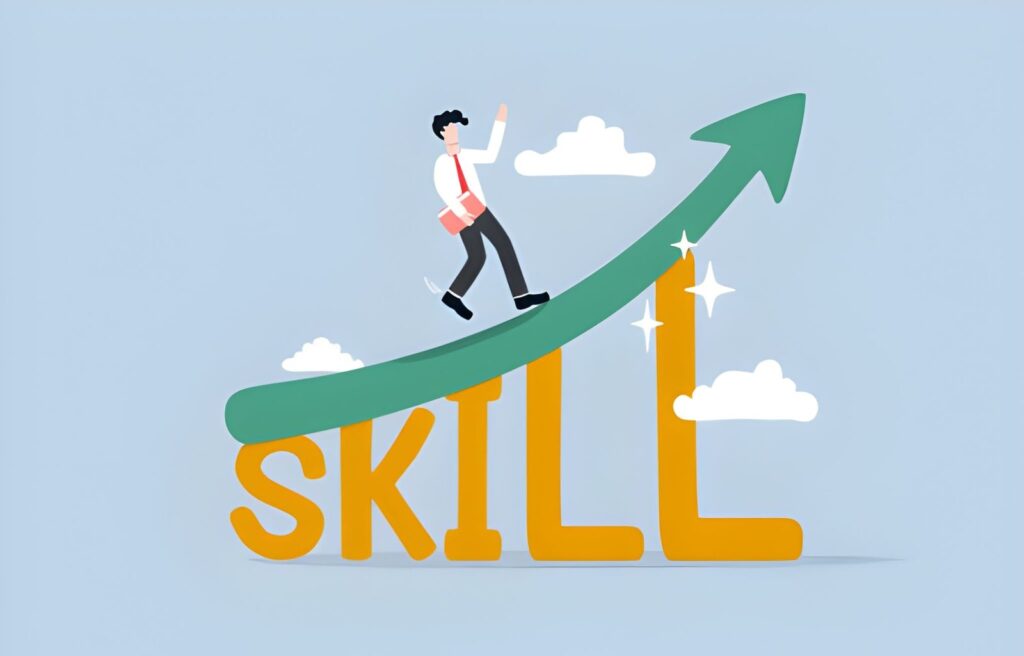

     

  • The Benefits of Continuous Skill Development

    The Benefits of Continuous Skill Development

    In today’s fast-changing world, continuous skill development is no longer optional—it is essential. Technology, workplace expectations, customer needs, and industry standards are evolving faster than ever. Whether you are an employee, business owner, freelancer, student, or job seeker, developing new skills helps you stay competitive, confident, and prepared for future opportunities.

    Continuous skill development means regularly learning, improving, and updating your abilities throughout your career and personal life. It can include technical skills, communication skills, leadership abilities, digital literacy, problem-solving, creativity, and emotional intelligence. By making learning a lifelong habit, you can adapt to change and build a stronger future.


    What Is Continuous Skill Development?

    Continuous skill development is the ongoing process of improving existing skills and learning new ones. It is not limited to formal education or professional training programs. It can happen through online courses, workshops, reading, mentorship, hands-on experience, webinars, podcasts, certifications, and workplace learning.

    Unlike one-time training, continuous learning focuses on long-term growth. It encourages people to keep improving instead of becoming comfortable with current knowledge. In a competitive job market, this mindset can make a major difference in career success.


    Why Continuous Skill Development Matters

    One of the biggest reasons continuous skill development matters is the speed of change. Many industries are being transformed by automation, artificial intelligence, digital tools, and new business models. Skills that were valuable a few years ago may not be enough today.

    Employers increasingly look for professionals who are adaptable, curious, and willing to learn. People who invest in professional development are often better prepared to handle new responsibilities, solve complex problems, and contribute to organizational success. Continuous learning also helps individuals remain relevant in their field and reduces the risk of being left behind.

    Improves Career Opportunities

    A major benefit of continuous skill development is improved career growth. When you regularly learn new skills, you become more valuable to employers. This can lead to promotions, salary increases, leadership roles, or new job opportunities.

    For example, an employee who learns project management, data analysis, or digital marketing may qualify for higher-level positions. Similarly, a business professional who improves communication and leadership skills may become more effective in managing teams. The more skills you develop, the more flexible and employable you become.

    Continuous skill development also helps job seekers stand out. A strong resume that includes updated certifications, modern tools, and relevant training can attract recruiters and hiring managers. In many cases, employers prefer candidates who show initiative and a commitment to lifelong learning.

    Increases Confidence and Motivation

    Learning new skills can significantly improve confidence. When you understand new tools, techniques, or concepts, you feel more capable of handling challenges. This confidence can improve performance at work, support better decision-making, and reduce fear of change.

    Skill development also increases motivation. Learning gives people a sense of progress and achievement. Instead of feeling stuck in the same routine, individuals can set goals and work toward personal and professional improvement. This sense of growth can make work more meaningful and rewarding.

    Helps You Adapt to Industry Changes

    Every industry changes over time. Healthcare, finance, education, manufacturing, retail, marketing, and technology all require professionals to stay updated. Continuous skill development helps you respond effectively to these changes.

    For instance, digital transformation has changed how businesses operate. Employees who learn digital tools, cybersecurity basics, data management, or remote collaboration skills can adapt more easily. Those who resist learning may struggle to keep up.

    Adaptability is one of the most important workplace skills today. By continuously developing your abilities, you become more prepared for unexpected changes, whether they involve new software, updated regulations, different customer expectations, or shifts in the economy.

    Enhances Productivity and Performance

    Continuous skill development can directly improve productivity. When people learn better methods, tools, and strategies, they can complete tasks more efficiently. Training in time management, communication, software systems, or problem-solving can reduce mistakes and improve results.

    Organizations benefit when employees develop their skills. Skilled workers often require less supervision, collaborate more effectively, and bring fresh ideas to the workplace. This can lead to better customer service, higher quality work, and stronger business performance.

    For individuals, improved performance can create a positive cycle. Better results can lead to recognition, increased responsibility, and greater career satisfaction.

    Encourages Innovation and Creativity

    Learning exposes people to new ideas, perspectives, and approaches. This can encourage innovation and creativity. When you develop skills across different areas, you can connect ideas in new ways and solve problems more effectively.

    For example, someone with both technical knowledge and creative thinking may design better products or services. A manager who studies psychology, leadership, and communication may find new ways to motivate a team. Continuous skill development expands the mind and encourages fresh thinking.

    Innovation is valuable in almost every career. Employers and clients appreciate people who can bring new solutions, improve processes, and identify opportunities.

    Supports Personal Growth

    The benefits of continuous skill development are not limited to career success. Learning also supports personal growth. Skills such as financial literacy, emotional intelligence, public speaking, critical thinking, and stress management can improve everyday life.

    Personal development helps people become more independent, resilient, and self-aware. It can improve relationships, decision-making, and overall well-being. The habit of learning also keeps the mind active and engaged, which can contribute to long-term mental sharpness.

    How to Start Developing Skills Continuously

    Starting a continuous skill development journey does not have to be difficult. Begin by identifying your goals. Ask yourself what skills you need for your current role, future career plans, or personal interests. Then choose practical learning methods that fit your schedule.

    You can take online courses, attend professional workshops, read industry blogs, listen to educational podcasts, or ask for feedback from mentors. Setting small, achievable goals makes learning easier to maintain. For example, you might commit to reading one professional book per month or completing one certification each quarter.

    It is also important to apply what you learn. Practice helps turn knowledge into real skill. Look for opportunities to use new abilities at work, in personal projects, or through volunteering.

    Conclusion

    Continuous skill development is one of the best investments you can make in yourself. It improves career opportunities, increases confidence, enhances productivity, encourages innovation, and supports personal growth. In a world where change is constant, lifelong learning helps you stay relevant and prepared.

    By regularly improving your skills, you create more opportunities and build a stronger foundation for success. Whether your goal is career advancement, personal improvement, or business growth, continuous skill development can help you move forward with confidence.

  • Best Ways to Improve Learning Efficiency

    Best Ways to Improve Learning Efficiency

    Learning more in less time is a goal shared by students, professionals, and lifelong learners. In a world full of information, improving learning efficiency is not just about studying harder—it is about studying smarter. By using proven strategies, building better habits, and creating the right environment, you can absorb information faster, remember it longer, and apply it more effectively.

    What Is Learning Efficiency?

    Learning King88 efficiency refers to how effectively you gain, understand, and retain knowledge in relation to the time and effort you invest. A highly efficient learner can study for a shorter period while achieving better results than someone who spends hours using poor methods.

    Improving learning efficiency involves focus, memory techniques, time management, motivation, and consistent practice. Whether you are preparing for exams, learning a new language, developing a professional skill, or studying for personal growth, the right approach can make a major difference.

    Set Clear Learning Goals

    One of the best ways to improve learning efficiency is to set specific goals before you begin. Without clear objectives, it is easy to waste time on unnecessary details or become distracted.

    Instead of saying, “I want to learn math,” set a goal such as, “I want to understand quadratic equations and solve 20 practice problems by Friday.” Clear goals help your brain focus on what matters most.

    Use the SMART goal method:

    – **Specific:** Know exactly what you want to learn.

    – **Measurable:** Track your progress.

    – **Achievable:** Set realistic targets.

    – **Relevant:** Connect learning to your needs.

    – **Time-bound:** Set a deadline.

    When your goals are clear, your study sessions become more organized and productive.

    Use Active Learning Techniques

    Passive learning, such as rereading notes or highlighting textbooks, often feels productive but may not lead to strong understanding. Active learning requires you to engage with the material.

    Effective active learning methods include:

    – Summarizing concepts in your own words

    – Teaching the topic to someone else

    – Asking and answering questions

    – Creating mind maps

    – Solving practice problems

    – Applying ideas to real-life situations

    One powerful technique is the **Feynman Technique**. Choose a topic, explain it simply as if teaching a beginner, identify gaps in your understanding, then review and simplify again. This method improves comprehension and long-term memory.

    Practice Spaced Repetition

    Spaced repetition is one of the most effective learning strategies for improving memory. Instead of studying everything in one long session, review information at increasing intervals over time.

    For example, you might review a topic:

    – After one day

    – After three days

    – After one week

    – After two weeks

    – After one month

    This method works because it strengthens memory just as you are about to forget the material. Flashcard apps, digital calendars, and study planners can help you organize spaced repetition sessions.

    Spaced repetition is especially useful for learning vocabulary, formulas, historical facts, medical terms, and technical concepts.

    Improve Focus and Reduce Distractions

    Your learning efficiency depends heavily on your ability to focus. Even a short interruption can reduce concentration and make it harder to return to deep work.

    To improve focus:

    – Turn off unnecessary notifications

    – Keep your phone away while studying

    – Study in a quiet, organized place

    – Use website blockers if needed

    – Set a clear study schedule

    – Work on one task at a time

    Multitasking may seem efficient, but it usually lowers performance. Your brain works best when it gives full attention to one subject or task.

    The **Pomodoro Technique** can also help. Study for 25 minutes, then take a 5-minute break. After four sessions, take a longer break. This keeps your mind fresh and prevents burnout.

    Take Better Notes

    Good notes make reviewing easier and faster. Instead of writing everything word for word, focus on key ideas, examples, definitions, and connections between concepts.

    Popular note-taking methods include:

    – **Cornell Notes:** Divide the page into notes, cues, and summary sections.

    – **Mind Mapping:** Use diagrams to connect ideas visually.

    – **Outline Method:** Organize information using headings and bullet points.

    – **Charting Method:** Compare facts, dates, theories, or features in tables.

    After class, a lecture, or a reading session, review your notes and rewrite unclear points. This small habit can greatly improve retention.

    Prioritize Sleep, Exercise, and Nutrition

    Learning efficiency is not only about study techniques. Your brain needs proper care to perform well. Sleep, physical activity, and healthy food all play important roles in memory and concentration.

    Sleep is especially important because your brain organizes and stores information while you rest. Studying late into the night may reduce your ability to remember what you learned.

    To support brain performance:

    – Sleep 7–9 hours per night

    – Exercise regularly

    – Drink enough water

    – Eat balanced meals

    – Avoid too much sugar and junk food

    – Take short breaks during long study periods

    A healthy body supports a sharper mind.

    Test Yourself Regularly

    Self-testing is one of the most reliable ways to improve learning efficiency. Instead of simply reviewing material, challenge yourself to recall it without looking.

    You can test yourself by:

    – Taking practice quizzes

    – Covering your notes and explaining the topic

    – Writing answers from memory

    – Using flashcards

    – Completing past exam papers

    Testing reveals what you know and what you still need to study. It also strengthens memory through active recall, making it easier to remember information later.

    Connect New Knowledge to What You Already Know

    The Đăng ký King88 learns better when new information connects to existing knowledge. Before studying something new, ask yourself what you already know about the topic.

    For example, if you are learning about business marketing, connect new ideas to products, brands, or advertisements you see every day. If you are studying biology, relate concepts to your own body and health.

    Creating meaningful connections makes learning easier, deeper, and more memorable.

    Stay Consistent and Track Progress

    Consistency is more powerful than occasional intense effort. Studying for 30 minutes every day is often more effective than studying for five hours once a week.

    Track your progress with a journal, checklist, app, or calendar. Seeing improvement keeps you motivated and helps you identify what works best.

    Ask yourself weekly:

    – What did I learn?

    – What was difficult?

    – What strategy helped most?

    – What should I improve next week?

    Regular reflection turns learning into a continuous improvement process.

    Conclusion

    The best ways to improve learning efficiency include setting clear goals, using active learning, practicing spaced repetition, reducing distractions, taking effective notes, and testing yourself often. Just as important, you should protect your sleep, health, and focus.

    Efficient learning is not about rushing. It is about using your time wisely and choosing strategies that help your brain understand and remember information. With consistent effort and smart study habits, anyone can become a faster, more confident, and more successful learner.

  • Hello world!

    Welcome to WordPress. This is your first post. Edit or delete it, then start writing!